
Fellows
The CDA Institute Fellowship Programme brings together a diverse, multi-generational community of experts and practitioners committed to strengthening informed dialogue on Canada’s national defence and security.
CDA Institute Fellows are active members of the Institute’s community and ambassadors for its mission. Fellows contribute to the Institute’s research and programming, participate in events and public discussions, and engage with their professional networks to help broaden the national conversation on defence and security.
Together, our Fellows strengthen the Institute’s capacity to foster rigorous analysis, constructive debate, and informed discussion, and help build a stronger national community of defence and security expertise.
Our Fellows represent one part of a broader intellectual community. Explore our Senior Fellows and Emerging Fellows to discover the full range of scholars, practitioners, and emerging thinkers contributing to our work.
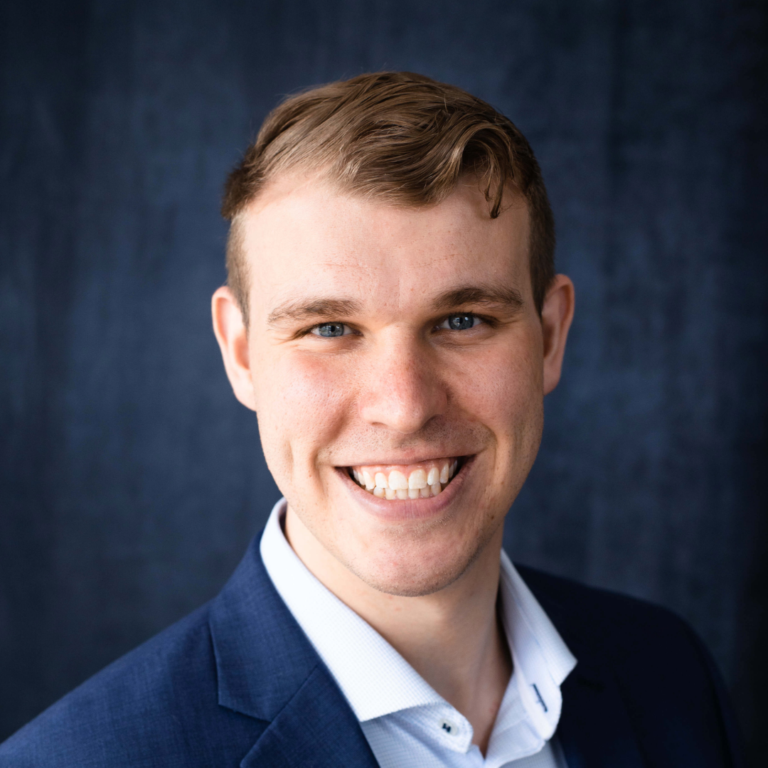
Alexander Landry, CD
Defence & Security Professional, and a Primary Reserve Officer with 33 Combat Engineer Regiment in the National Capital Region.
A graduate of the Royal Military College of Canada with a Bachelor’s in Chemical Engineering, Alexander served thirteen years in the Canadian Armed Forces as an Engineering Officer. His career includes an operational deployment in Ukraine, a domestic disaster response in Ottawa, and a three-year posting with NATO Allied Land Command in Türkiye as the Engineering Coordination Staff Officer, where he worked on barrier planning and counter-IED policy. During this time, he also chaired the NATO Environmental Protection Working Group Doctrine Panel at NATO Headquarters, contributing to the Alliance’s engineering and environmental doctrine. Since returning to Canada, he has served with the Joint Engineer Division at Canadian Joint Operations Command before transitioning to the private sector in 2025.
Notably, Alexander deployed to Ukraine on Operation UNIFIER in 2018 as the Engineer Team Leader for Small Team Training specific to Explosive Threat Hazard Awareness & Recognition (ETHAR). For his work with the Armed Forces of Ukraine, he was awarded Ukraine’s Meritorious Service Badge. He later served at the Canadian Forces School of Military Engineering as the Mine Warfare & Demolitions Program Manager, where he supported the Canadian Armed Forces’ reconstitution of mine warfare training in light of renewed near-peer conflict.
Beyond his operational work, Alexander is deeply engaged in the scholarly and defence communities. He is a Research Fellow with the Institute for Peace & Diplomacy and serves on the Defence and Security Studies Programme Committee of the Royal Canadian Military Institute. A published commentator in the Hill Times and The Globe & Mail on foreign and defence policy, he holds a master’s degree in International Affairs from King’s College London and Master of Business Administration from the University of Fredericton. He is also a Professional Engineer (P.Eng.), Project Management Professional (PMP), and Certified Business Continuity Professional (CBCP).
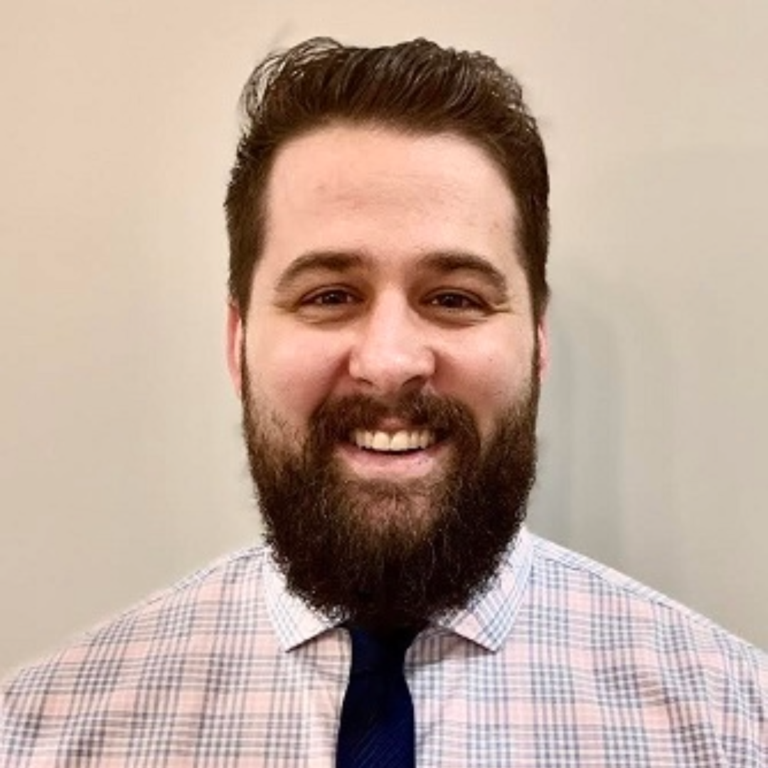
Andrew Erskine
Policy Analyst, Government of PEI
Andrew Erskine is a Fellow at the Conference of Defence Association Institute, a Fellow at the Canadian Maritime Security Network, and a Nonresident Vasey Fellow at the Pacific Forum. He graduated from the University of Prince Edward Island with a Bachelor of Arts with Honours in History and a Masters of Global Affairs. Andrew has held past fellowships with the Institute for Peace and Diplomacy, the Asia-Pacific Foundation of Canada and the NATO Association of Canada. He was also a 2025 Emerging Leader with Arctic Frontiers and a 2025 Young Leader with the Pacific Forum.
Currently, Andrew works with the Government of Prince Edward Island, having previously held positions with Veterans Affairs Canada and as a Parliamentary and Legislative Assistant to the Member of Parliament for Orléans. Andrew has published with the Conference of Defence Association Institute, the Macdonald-Laurier Institute, the Canadian Global Affairs Institute, Open Canada, the Journal of Indo-Pacific Affairs, the Institute of Peace & Diplomacy, The Hill Times, Breaking Defense and the Defense Post. His work focuses on Canadian security, defence, and foreign policy in the Indo-Pacific, North America, the Arctic and NATO.
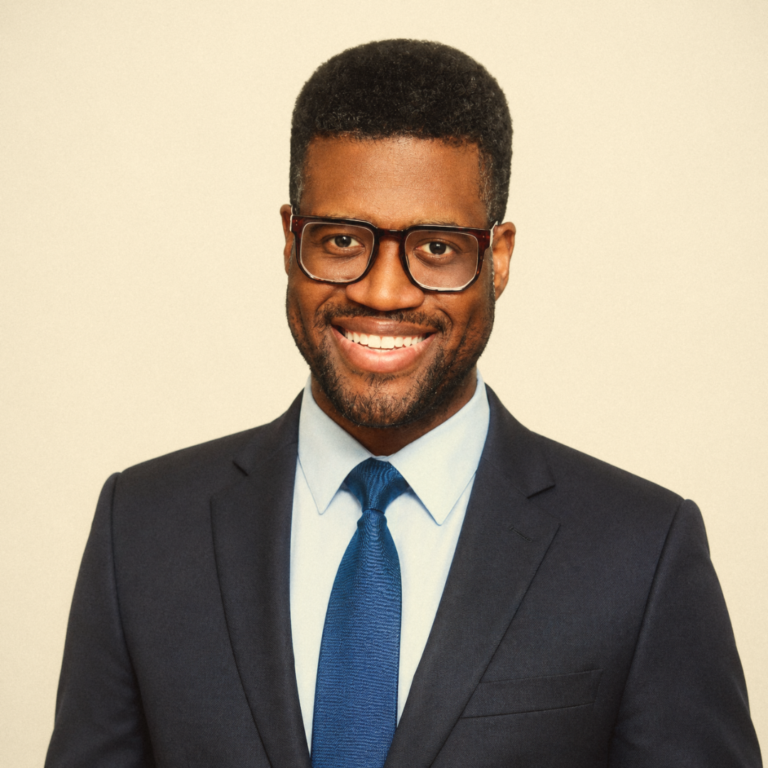
Dr. Andrew Forde
Partner in KPMG Canada’s Technology Strategy & Digital Transformation practice and inaugural Head of AI Research
Dr. Andrew Forde is a Partner in KPMG Canada’s Technology Strategy & Digital Transformation practice and the firm’s inaugural Head of AI Research, a nationally mandated role created to build dedicated in-house AI research capability and strengthen KPMG’s leadership in artificial intelligence research, application, and policy influence.
Andrew advises boards and senior executives across government, energy and utilities, healthcare, telecommunications, financial services, and diversified industries on large-scale business transformation and operational optimization through technology. His work focuses on helping organizations move beyond experimentation to operationalizing AI at scale—redesigning operating models, modernizing legacy technology environments, rationalizing application portfolios, and implementing enterprise data and AI strategies that improve performance, resilience, and long-term competitiveness.
As Head of AI Research, Andrew leads KPMG Canada’s national AI research capability, shaping how artificial intelligence is researched, governed, and applied to real-world business challenges and Canada’s broader economic priorities. He oversees client-focused AI research, builds strategic partnerships with leading universities and AI labs, and develops research-to-market pathways that translate emerging AI breakthroughs into practical guidance for organizations.
Andrew holds a PhD in Engineering from the University of Toronto and began his career as a NASA research scientist. He is also an Adjunct Professor at the University of Toronto and a recognized Top 40 Under 40 leader.
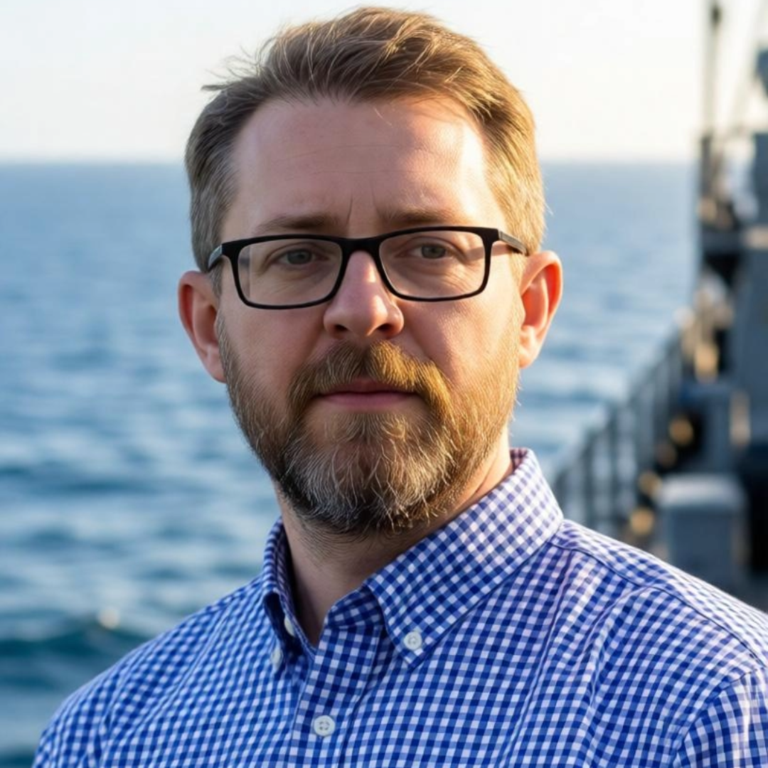
Paul Chamberlain
Indo-Pacific defence policy and maritime security professional, PhD candidate, Australian National University
Paul Chamberlain is an Indo-Pacific defence policy and maritime security professional with over 15 years of experience in defence, intelligence, and policy roles in the Canadian government. He is a PhD candidate at the Australian National University’s Strategic and Defence Studies Centre, within the Coral Bell School of Asia Pacific Affairs. His research examines the role of sea power as an instrument of statecraft in the contemporary Indo-Pacific region, with case studies of Australia, Japan, and Singapore. He holds a Master of Arts in Political Science and a Bachelor of Arts (Honours) in Social Sciences with First Class Honours in Politics.
He is the Research Fellow for Indo-Pacific Sea Power at the Yokosuka Council on Asia Pacific Studies (YCAPS). In 2025 2026, he was a Visiting Research Fellow at the National Institute for Defense Studies (NIDS) in Tokyo, Japan. Chamberlain has held a range of defence and security-related postings across the Government of Canada. As the first civilian Policy Advisor to the Commander of the Royal Canadian Navy, he provided strategic counsel to senior leadership, developed policy positions on domestic and international issues, and sharpened the alignment of the navy’s global engagement activities with Canadian strategic priorities. Before starting his doctoral studies, Chamberlain ran Canada’s defence relations with Southeast Asian states and ASEAN in the Directorate of Indo-Pacific Policy at the Department of National Defence (DND). Other positions include at the Directorate of Strategic Analysis in DND, the Canadian Security Intelligence Service, and the Privy Council Office.
Dr. Kristen Csenkey
Social Sciences and Humanities Research Council (SSHRC) postdoctoral fellow at the Brian Mulroney Institute of Government, St. Francis Xavier University
Dr. Kristen Csenkey is a Social Sciences and Humanities Research Council (SSHRC) postdoctoral fellow at the Brian Mulroney Institute of Government, St. Francis Xavier University and an Associate Fellow with the Centre for Military, Security and Strategic Studies at the University of Calgary. She studies global cyber governance, technology interdependence, and the geopolitics of emerging and disruptive digital technologies, with a focus on quantum computing and sensing and AI. A recognized leader in her field, she has led multiple SSHRC and Department of National Defence–funded projects, served on advisory boards and committees, and provided expertise to government, military, and international think tanks, with her work featured in leading journals, policy outlets, and on national media.
Jason C. Moyer
Program Director for Foreign & Security Policy at the Heinrich Böll Foundation
Jason C. Moyer is the Program Director for Foreign & Security Policy at the Heinrich Böll Foundation in Washington, DC. He is also a Nonresident Fellow with the Atlantic Council’s Transatlantic Security Initiative. He teaches a course on the Nordic and Baltic regions for the National Foreign Affairs Training Center, the training institution for diplomats and US government officials. He is also a Fellow with the Conference of Defence Associations Institute (CDA Institute) in Ottawa, Fellow with the North American and Arctic Defence and Security Network (NAADSN) and an Associated Researcher with the Latvian Institute of International Affairs.
Jason has written more than 50 articles on contemporary transatlantic relations. His current research focuses on NATO’s northeastern flank, the European Union as a geopolitical actor, Arctic geopolitics, the future of the OSCE, and Baltic Sea security. He previously worked at The Woodrow Wilson International Center for Scholars and at Johns Hopkins SAIS in the Dean’s research institute. Jason holds a Master of Arts in European Studies from Georgetown University’s School of Foreign Service. During his time at Georgetown, he was a teaching assistant to former Secretary of State Madeleine Albright. Jason speaks French and Italian, as well as some German. He is based in the Washington, DC area.
Kate E. Todd
Fellow, Arctic360
Kate E. Todd is a fellow at Arctic360, the Conference of Defence Associations Institute, the Canadian Global Affairs Institute, the Canadian Maritime Security Network, and the North American and Arctic Defence and Security Network and sits on the editorial board of the Canadian Naval Review. She also serves as a defence policy analyst and officer in the Royal Canadian Naval Reserve. Kate regularly publishes analyses on naval strategy, uncrewed systems integration, Arctic infrastructure, and future fleet design.
Dr. Alexander Lanoszka
Associate Professor in the School of Social, Political, and Historical Research (Political Science) and the Balsillie School of International Affairs at the University of Waterloo
Alexander Lanoszka is Associate Professor in the School of Social, Political, and Historical Research (Political Science) and the Balsillie School of International Affairs at the University of Waterloo in Canada. He is also a visiting professor at the College of Europe in Natolin, Poland. His research addresses alliance politics and military strategy, with a focus on East-Central Europe. He has published in leading peer-reviewed journals such as International Affairs, International Security, International Studies Quarterly, and Security Studies. His books include Atomic Assurance: The Alliance Politics of Nuclear Proliferation (Cornell, 2018) and Military Alliances in the Twenty-First Century (Polity, 2022). He is fellow at the Council of Geostrategy (London, UK) and the Macdonald-Laurier Institute (Ottawa) in addition to being a co-director in charge of publications at the Strategic Analysis Network (Montreal). He received his Ph.D. from Princeton University.
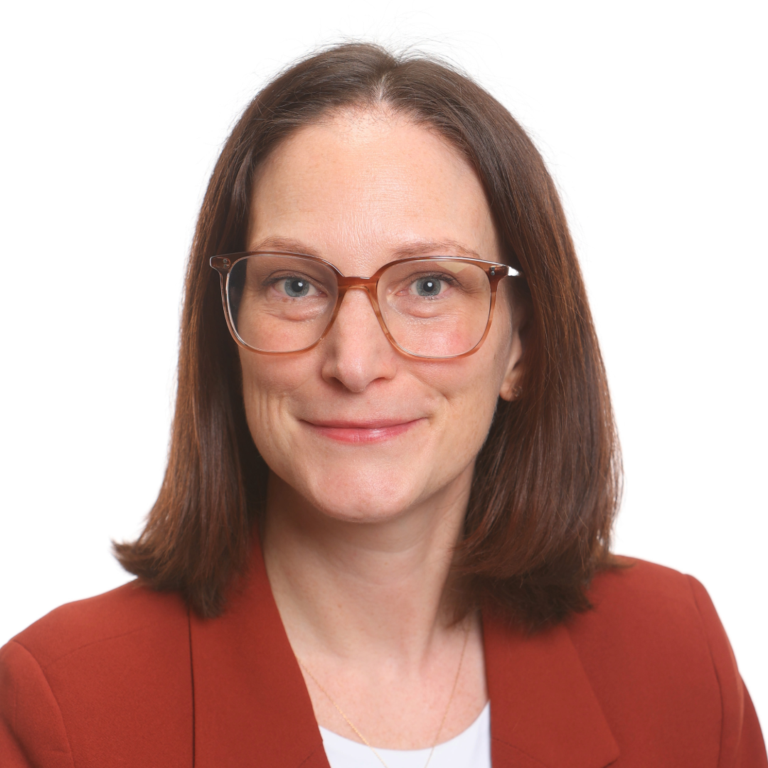
Dr. Marion Laurence
Assistant Professor, Department of Political Science, Dalhousie University
Marion Laurence is an Assistant Professor in the Department of Political Science at Dalhousie University and Acting Director of the Centre for the Study of Security and Development. Her research interests include global security governance, multilateral peace and stability operations, learning and change in international organizations, and evolving forms of security cooperation amid heightened strategic competition. Before taking up her current position, Dr. Laurence was an Assistant Professor in the Department of Defence Studies at the Canadian Forces College, where she taught in the National Security Programme and the Joint Command and Staff Programme. She has held research and teaching appointments at the University of Toronto, the University of Ottawa, Toronto Metropolitan University, and the Dallaire Centre of Excellence for Peace and Security within the Canadian Defence Academy. Her work has been supported by grants and fellowships from the Social Sciences and Humanities Research Council of Canada, the International Studies Association, Global Affairs Canada, and the Department of National Defence. She is the author of Intrusive Impartiality: Learning, Contestation, and Practice Change in United Nations Peace Operations (Oxford University Press, 2024), and co-author of Norms, Practices, and Social Change in Global Politics (Cambridge University Press, 2025). She holds a PhD in political science from the University of Toronto.
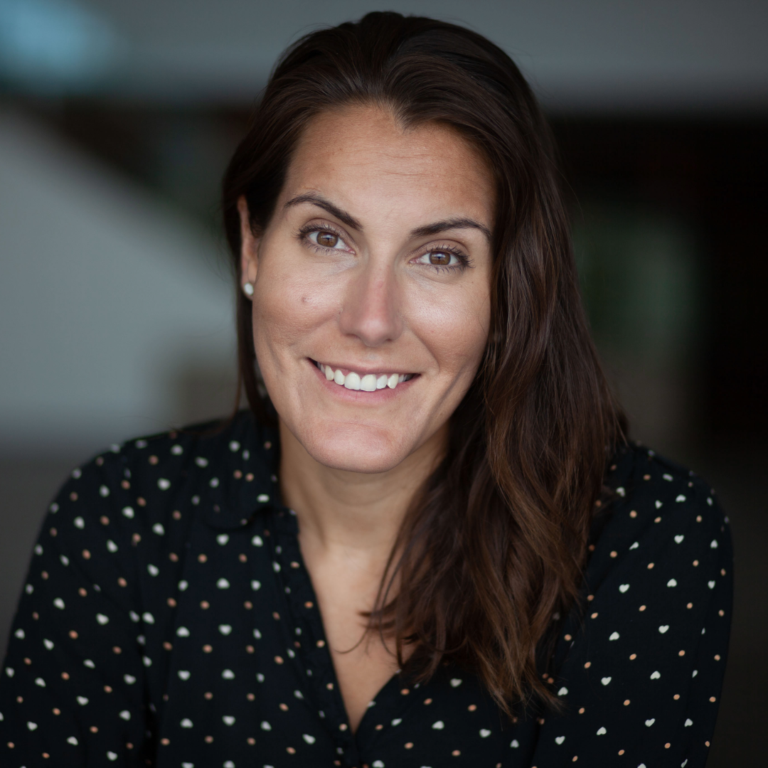
Dr. Leah West
Associate Director, MA Program, Norman Patterson School of International Affairs
Leah is the co-author with Craig Forcese of National Security Law (Irwin Law, 2021, 2d Ed), and co-editor with Thomas Juneau and Amarnath Amarasingam of Stress Tested: The COVID-19 Pandemic and Canadian National Security (UCP, 2021). She is also the author of several peer-reviewed articles on legal issues concerning national security, cyber operations and the law of armed conflict.
Leah is frequently consulted by government agencies such as Public Safety Canada, the Department of Justice, the Communications Security Establishment, and the Canadian Security Intelligence Service on national security law and policy matters. A regular commentator on national security matters for Canadian and international media outlets, she has testified before the House of Commons, the Senate, and the European Parliament. Leah serves on the editorial board of the Journal of National Security Law & Policy and Terrorism and Political Violence, and is a Senior Fellow with the Centre for International Governance Innovation where she co-leads the program on Responsible Use of AI by the Military. In 2024, Leah served on the Research Council of the Public Inquiry into Foreign Interference in Federal Electoral Processes and Democratic Institutions.
Additionally, Leah is counsel with Friedman Mansour LLP, supporting the firm’s criminal, quasi-criminal and administrative law practice. She has appeared before the Ontario Superior Court, the Federal Court of Canada, the Security Intelligence Review Committee and the Supreme Court of Canada. Her academic literature has also been cited by the Supreme Court. She previously served as counsel with the Department of Justice National Security Litigation and Advisory Branch. Before being called to the Ontario Bar in 2016, Leah clerked for the Honourable Justice Mosley of the Federal Court of Canada. Prior to attending law school, Leah served in the Canadian Armed Forces for 10 years as an armoured officer and was deployed to Afghanistan in 2010.
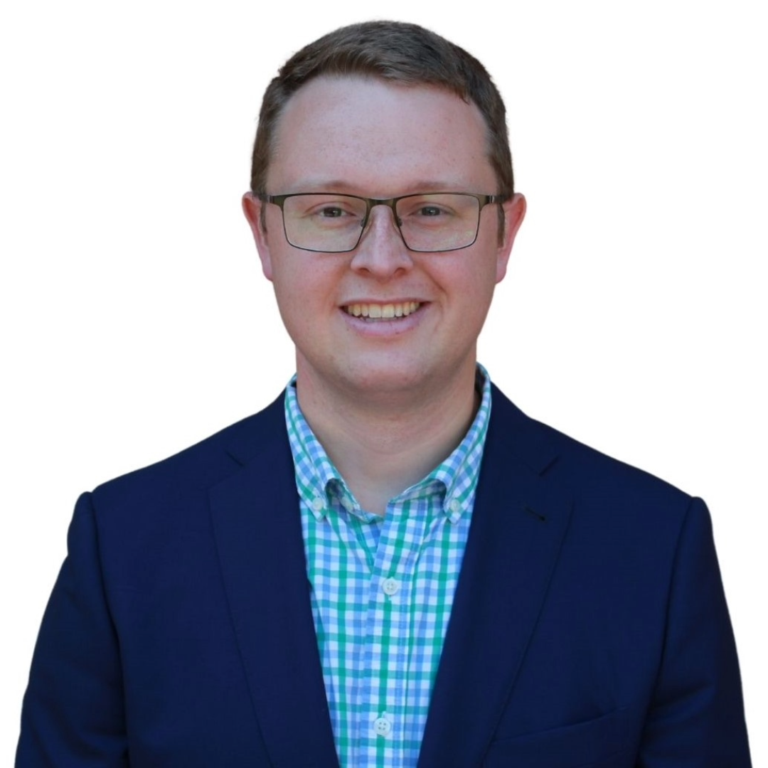
Dr. Michael P. A. Murphy
Director, Centre for International and Defence Policy at Queen’s University
Michael P. A. Murphy is the director of the Centre for International and Defence Policy at Queen’s University, where he teaches international security and graduate public administration. His research focuses on emerging technologies, defence policy, international relations, and the intersections of these issues. He is the author of two books, over 40 peer-reviewed articles and numerous policy papers, receiving more than 2400 citations. Michael is an international award-winning educator and his Ph.D. received the University of Ottawa’s Joseph De Koninck Thesis Prize. He currently serves as President of the Canadian region of the International Studies Association and Editor of Security Dialogue.
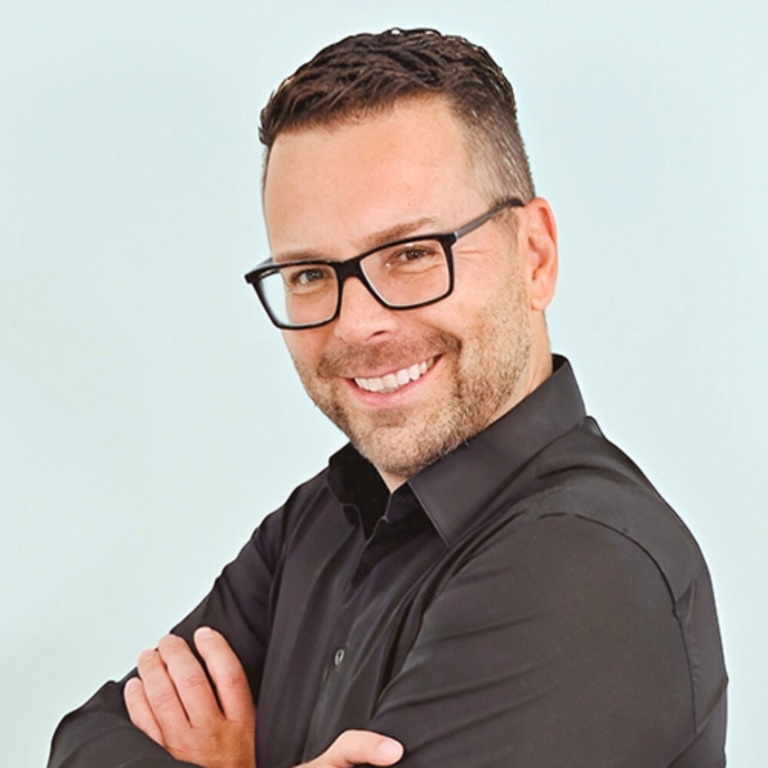
Dr. Olivier Choinière
Associate Professor of Project Management at the Université du Québec à Rimouski
Olivier Choinière, PhD, is an Associate Professor of Project Management at the Université du Québec à Rimouski (UQAR), Canada. His research focuses on three main areas: the governance of military and public infrastructure projects, emerging approaches to project management, and the future of work in the public sector. He is an affiliated researcher at the Centre on Governance at the University of Ottawa and the Conference of Defence Associations Institute. His work contributes to both research and practice on the governance of major projects in the public and defence sectors.
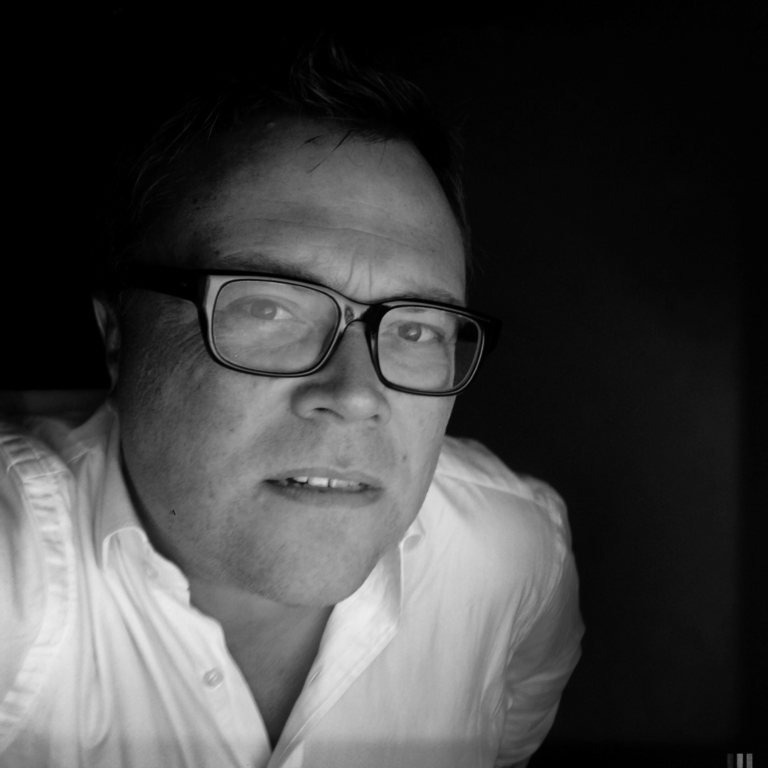
Marcus Kolga
Russia, Central and Eastern European Politics, Human Rights, Disinformation/propaganda, Cyber Issues
Marcus Kolga is a documentary filmmaker, journalist, human rights activist and a leading Canadian analyst of foreign disinformation and influence operations. He frequently writes and comments on Russian and Central and Eastern European issues and disinformation in Canadian and international media.
He has produced several internationally screened and broadcast documentary films that have focused on international affairs and human rights. A regular commentator on international affairs and human rights, Kolga’s articles have been published by the Globe and Mail, the Toronto Star, the National Post, the New York Daily Mail, Macleans, the Atlantic Council, the European Observer, and other European publications.
Kolga led the Canadian civil society campaign for Magnitsky human rights sanctions legislation and has actively led and contributed to similar efforts in Estonia, Latvia, Sweden and Australia. He has spoken and testified in the US Capitol and the UK, Australian, Canadian, and Estonian Parliaments about Magnitsky Sanctions, Russian disinformation and Interpol reform. He is a senior fellow at the Macdonald-Laurier Institute Center for Advancing Canada’s Interests Abroad, the CDA Institute, and the Raoul Wallenberg Center for Human Rights.
Kolga founded DisinfoWatch.org in 2020 to monitor and analyze foreign disinformation targeting Canada. DisinfoWatch’s work in monitoring and analyzing foreign information and Influence operations has been featured in a wide range of national and international media. He has been sanctioned by both the Kremlin and China for his efforts to promote democracy and combat disinformation.
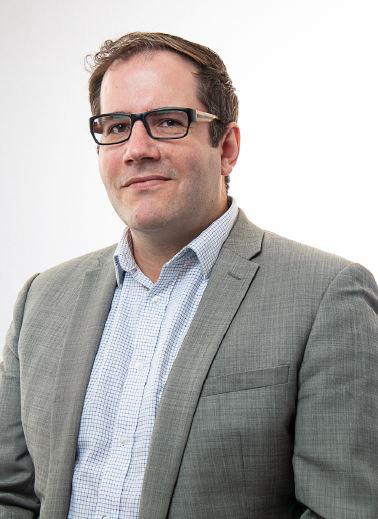
Dr. Alex Wilner
Associate Professor at the Norman Paterson School of International Affairs
Dr. Alex Wilner is an Associate Professor at the Norman Paterson School of International Affairs (NPSIA) at Carleton University, Ottawa, Canada. He is the director of Carleton’s Infrastructure Protection and International Security (IPIS) grad program and Chairs the university’s Collaborative Specialization in Cybersecurity. He is likewise a Co-director of Triple Helix, a Department of National Defence MINDS-funded Network jointly run with the Canadian Global Affairs Institute, and of the Canadian Cybersecurity Centre of Excellence (3CE), a pan-Canadian network supported by SSHRC’s Partnership Grant program.
Prof Wilner teaches classes on terrorism, intelligence studies, strategic foresight, and a capstone course on Canadian security policy in partnership with external government stakeholders. In 2023, he received an Outstanding Faculty Graduate Mentor Award by the Carleton’s Faculty of Graduate and Postdoctoral Affair. His research on deterrence – which explores the nexus between coercion and emerging technology, security domains, and environments – has shaped the fourth, and now fifth, generation of deterrence scholarship. Among his over three dozen peer-reviewed journal publications, his research has been published in top-ranked IR journals, including International Security, Journal of Global Security, Journal of Strategic Studies, Security Studies, International Journal, Journal of Global Security Studies, and Studies in Conflict & Terrorism. His books include Deterrence by Denial: Theory and Practice (eds., Cambria Press, 2021), Deterring Rational Fanatics (University of Pennsylvania Press, 2015), and Deterring Terrorism: Theory and Practice (eds., Stanford University Press, 2012). His latest co-authored book, Automated Deterrence: Coercion in an Age of Artificial Intelligence, is forthcoming in 2027.
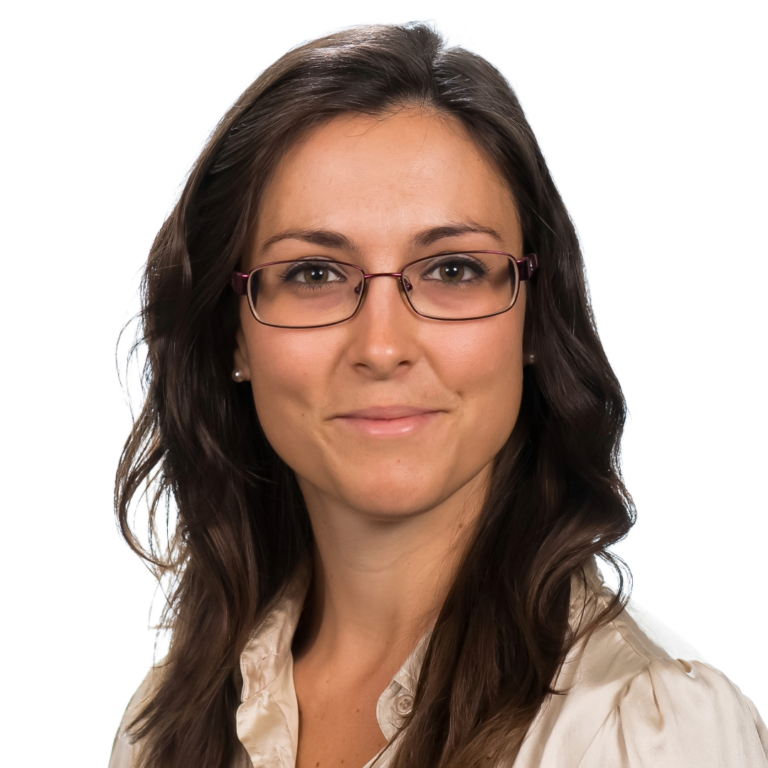
Marisol Maddox
Senior Arctic Fellow at the Institute of Arctic Studies in the Dickey Center at Dartmouth
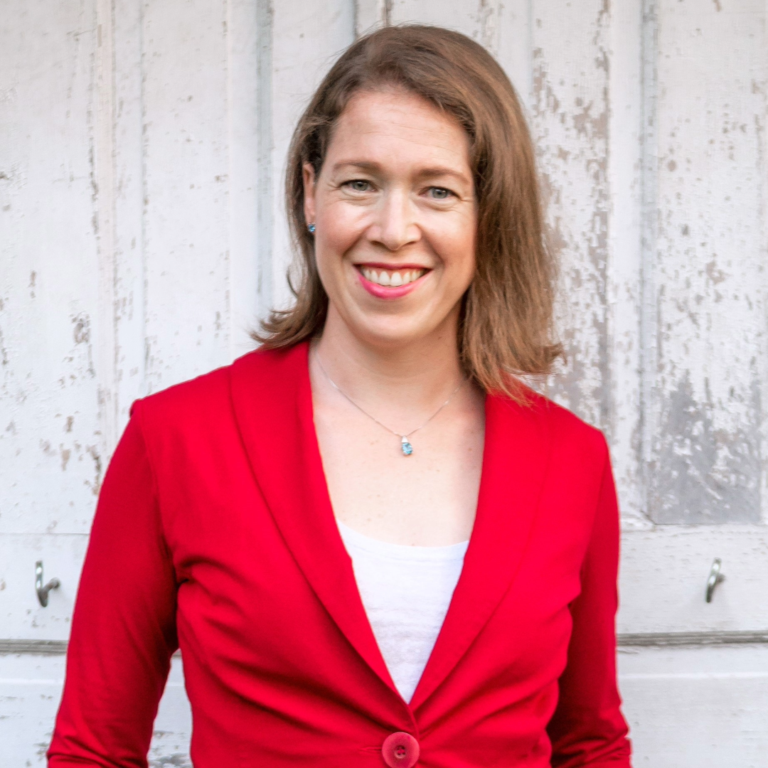
Dr. Leah Sarson
Associate Professor in the Department of Political Science, Dalhousie University
Leah Sarson is an associate professor in the Department of Political Science at Dalhousie University, where she is also the Director of the Centre for the Study of Security and Development. Her research and teaching focus on Indigenous global politics, Canadian foreign policy, International Relations, and gender, and her current projects explore Indigenous governance and critical minerals. Dr. Sarson is also the co-editor-in-chief of International Journal: Canada’s Journal of Global Policy Analysis. Her previous appointments include positions at Dartmouth College and the University of Toronto. She holds a PhD in political science from Queen’s University.
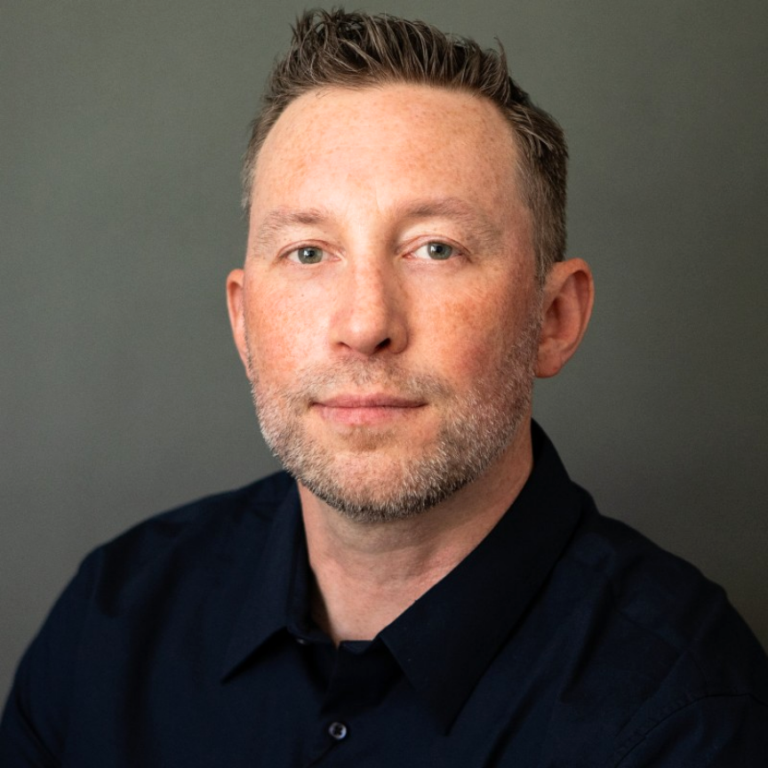
Dr. David Borys
Canadian Military Historian
David Borys is a Canadian military historian from Vancouver who has over a decade of experience teaching university and college courses on Canadian military history. His own research focuses on Canada and the world wars with particular focus on the relationship between the military and civilian populations. His published works include a wide variety of articles covering Canadian military history and have been printed in academic journals such as Canadian Military History Journal and in print media such as the Globe and Mail and the Toronto Star. His first book is titled Civilians at the Sharp End: First Canadian Army Civil Affairs in Europe, 1944-1945. His second and most recent book is titled Punching Above Our Weight: The Canadian Military at War Since 1867 and was published by Dundurn in 2024. This book made the coveted list for top 100 non-fiction books of 2024 put out by The Hill Times. He makes regular appearances on television history programs such as APTN’s Nations at War and National Geographic’s Hitler’s Last Stand. David is also the producer, writer and host of the popular Canadian history podcast, Curious Canadian History. Now in its eleventh season the show continually ranks in the top 50 of all history podcasts in Canada. David is also the producer and host of his newest podcast The Conflict and Culture Podcast which explores anything and everything to do with military history beyond the battlefield.